APD01 Exam Questions & Answers
Blue Prism Accredited Professional Developer • Blue Prism
100% money-back guarantee
About APD01 Exam
The APD01 (Blue Prism Accredited Professional Developer) certification exam is a comprehensive assessment designed to validate advanced skills in robotic process automation (RPA) development using the Blue Prism platform. This certification exam covers critical topics including object identification, process design, exception handling, encryption, debugging techniques, and Blue Prism's intelligent automation capabilities. Candidates must demonstrate proficiency in creating robust automation solutions, managing complex workflows, and implementing security best practices within enterprise RPA environments. The APD01 certification is ideal for experienced RPA developers, automation architects, and Blue Prism professionals seeking to advance their careers and establish industry-recognized credentials that prove their technical expertise.
To successfully prepare for the APD01 exam, candidates benefit significantly from utilizing updated exam dumps and comprehensive practice tests that mirror the actual certification assessment format and difficulty level. These study materials provide valuable insights into question patterns, essential concepts, and real-world scenarios that appear on the exam. Practice tests enable candidates to identify knowledge gaps, build confidence, and refine their time management skills under exam conditions. By combining hands-on experience with the Blue Prism platform, official documentation review, and strategic use of practice dumps and mock exams, professionals can substantially increase their chances of achieving a passing score and earning their APD01 accreditation.
Exam Topics & Objectives
4-Week Study Plan for APD01
Week 1: Foundation & Process Design Fundamentals
- Study Blue Prism architecture and environment setup
- Complete Process Design Module exercises
- Review RPA concepts and Blue Prism terminology
- Practice creating basic process diagrams
- Complete first module assessment questions
- Study Blue Prism interface navigation and workspace layout
Week 2: Process Development & Object Creation
- Master Object Studio fundamentals
- Learn application modeling and interaction patterns
- Complete Object Creation Module hands-on labs
- Study page element identification and spy tools
- Practice creating business objects
- Work through second and third module case studies
- Review data types and variable management
Week 3: Control Flow, Logic & Advanced Concepts
- Study decision logic and control flow structures
- Master loops and conditional statements
- Complete Process Logic Module exercises
- Learn error handling and exception management
- Practice debugging techniques and troubleshooting
- Work through fourth and fifth module advanced scenarios
- Complete integration and connectivity practice problems
Week 4: Optimization, Security & Exam Preparation
- Study performance optimization techniques
- Review Blue Prism security best practices
- Complete sixth and seventh module assessments
- Practice eighth module release management concepts
- Take full-length practice exams
- Review weak topic areas and retake assessments
- Conduct final review of all eight modules
- Practice time management for exam conditions
Sample APD01 Questions
Practice with real exam-style questions. Reveal answers to verify your knowledge.
When using Surface Automation which of the following Navigate Stage Actions should be used to press a button which has been identified as a Region?
Which of the following are best practices when automating Java applications? (Choose two.)
Using Surface Automation there is requirement to enter a note in the Note field on the screen below:
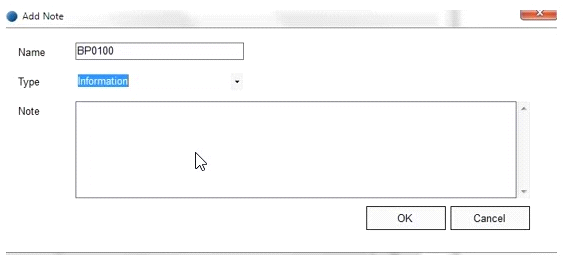
The Note Box element has been spied as a Region:
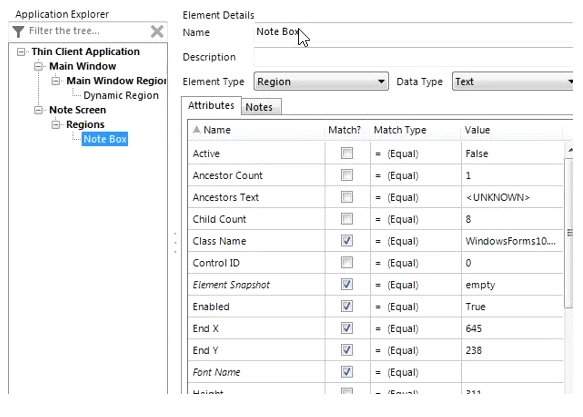
On Launching the Add Note screen, the cursor is in the Name field and the Notes field will be empty.
Which of the following is the most appropriate sequence of stages to enter the note into the Note field?
Which of the following attributes should be checked in order to improve the performance of interaction with a Java element?
Which of the following is an alternative to the usual method of spying application elements when spying issues are encountered?
Get access to all 51 verified questions with detailed answers.
Unlock All APD01 Questions