C100DBA Exam Questions & Answers
MongoDB Certified DBA Associate Exam • MongoDB
100% money-back guarantee
About C100DBA Exam
The C100DBA MongoDB Certified DBA Associate Exam is a professional certification that validates your expertise in MongoDB database administration and management. This comprehensive exam tests your knowledge of critical topics including MongoDB deployment, configuration, backup and recovery, security implementation, replication, sharding, and performance optimization. The certification is designed for database administrators, DevOps engineers, and IT professionals who work with MongoDB in production environments. By earning the C100DBA credential, you demonstrate your ability to design, deploy, and maintain MongoDB clusters effectively, making you a valuable asset to organizations relying on NoSQL databases.
Professionals preparing for the C100DBA certification benefit significantly from using updated exam dumps and practice tests that mirror the actual exam format and difficulty level. These resources help candidates identify knowledge gaps, build confidence, and familiarize themselves with time management strategies required during the test. Quality practice tests cover all exam objectives comprehensively, allowing you to focus your study efforts on challenging areas before sitting for the official exam. Whether you're an aspiring MongoDB DBA or looking to advance your career in database administration, combining official MongoDB training materials with reliable practice exams ensures thorough preparation and increases your chances of passing the C100DBA certification on your first attempt.
Exam Topics & Objectives
4-Week Study Plan for C100DBA
Week 1: MongoDB Fundamentals & CRUD Operations
- Study MongoDB philosophy: document-oriented database, BSON format, and flexible schema design
- Review MongoDB features: horizontal scalability, high availability, and data consistency models
- Master CRUD operations: db.collection.insertOne(), insertMany(), find(), updateOne(), updateMany(), deleteOne(), deleteMany()
- Practice query operators: comparison ($eq, $ne, $gt, $gte, $lt, $lte, $in, $nin), logical ($and, $or, $not, $nor)
- Learn projection syntax and field selection in queries
- Understand upsert operations and bulk write operations
- Complete hands-on CRUD exercises on MongoDB Atlas or local instance
Week 2: Indexing, Query Performance & Application Administration
- Study index types: single field, compound, multikey, text, geospatial, hashed indexes
- Learn index creation syntax: db.collection.createIndex() and index options
- Master query optimization techniques using explain() method and execution statistics
- Review index performance metrics: selectivity, cardinality, and index size impact
- Study Application Administration: connection strings, driver basics, and connection pooling
- Learn write concern levels (acknowledged, unacknowledged, journaled) and read preferences
- Practice identifying slow queries and optimizing with appropriate indexes
- Understand covered queries and index intersection strategies
Week 3: Server Administration & Replication
- Study MongoDB installation, configuration files (mongod.conf), and startup options
- Learn user authentication and authorization: SCRAM, x.509 certificates, and role-based access control
- Review database administration commands: serverStatus(), dbStats(), collStats()
- Understand backup and recovery: mongodump, mongorestore, and snapshots
- Study replication concepts: replica set architecture, primary/secondary/arbiter roles
- Learn replica set initialization and configuration: rs.initiate(), rs.add(), rs.remove()
- Master replication monitoring: rs.status(), rs.conf(), and oplog operations
- Understand failover behavior and election mechanics
- Review read preference modes and write concern with replication
Week 4: Sharding & Comprehensive Review
- Study sharding architecture: shard key selection criteria and implications
- Learn shard types: range-based, hashed, and compound shard keys
- Understand sharded cluster components: mongos routers, config servers, and shard instances
- Review sharding operations: enabling sharding, sharding databases and collections
- Master chunk management: chunk splitting, migration, and balancing processes
- Study sharding administration: shard status monitoring and resharding strategies
- Learn limitations and considerations of sharded deployments
- Review pre-splitting and zone-based sharding for optimization
- Complete full practice exams covering all topics: Philosophy, CRUD, Indexing, Server Administration, Application Administration, Replication, and Sharding
- Analyze practice exam results and focus on weak areas
- Review official MongoDB documentation for any remaining knowledge gaps
Sample C100DBA Questions
Practice with real exam-style questions. Reveal answers to verify your knowledge.
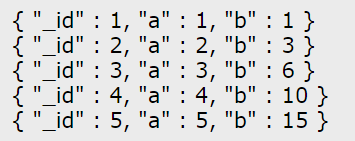
Consider the following documents:

You perform the following query;

How many documents will be updated by the query?
In what format does mongodump creates backup files?
Aggregation Pipelines have a limit of:
The oplog (operations log) is a special capped collection that keeps a rolling record of all operations that modify the data stored in your databases. All the replica set members contain a copy of the oplog in the following collection:
In a collection that contains 100 post documents, what does the following command do? db. posts. find().skip(5).limit(5)
Get access to all 132 verified questions with detailed answers.
Unlock All C100DBA Questions